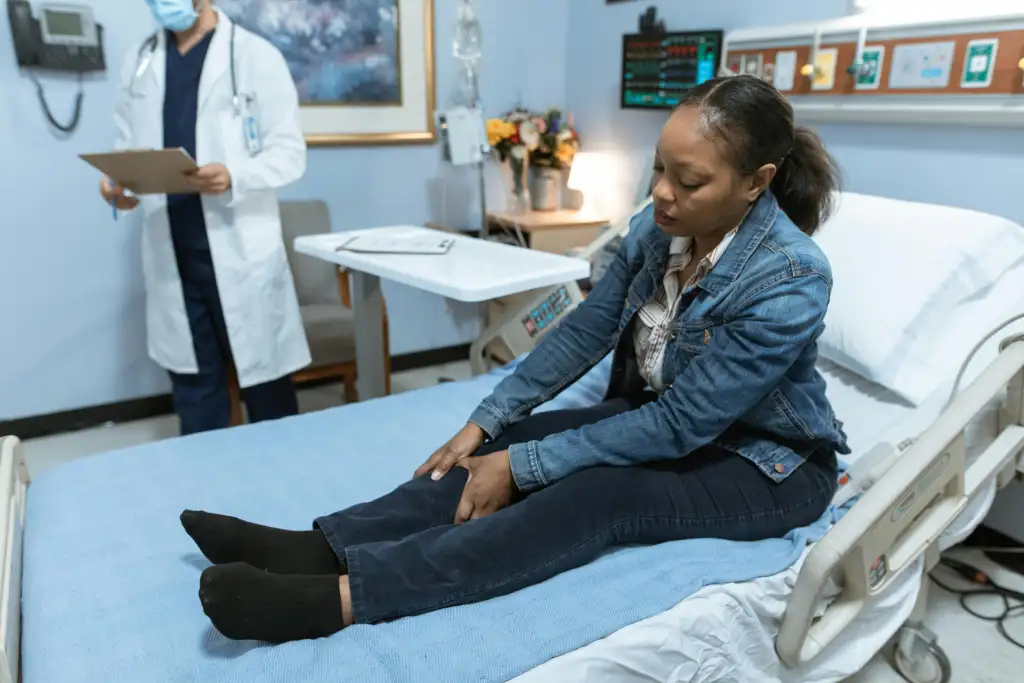
Sprained Ankle or Fracture? Here’s How to Tell
A twisted ankle can leave you limping — but is it just a sprain, or something more serious like a fracture? Differentiating between the two is crucial for proper treatment and faster recovery. At Eastlake Urgent Care in Chula Vista, we specialize in evaluating ankle injuries with expert assessments. Here’s how to tell the difference between a sprain and a fracture, and when to seek urgent care.
What Is a Sprained Ankle?
A sprain occurs when the ligaments — the bands of tissue connecting bones — are stretched or torn, usually due to twisting or rolling the ankle.
Common Signs of a Sprain:
- Pain around the ankle joint
- Swelling and bruising
- Difficulty walking
- Tenderness when touched
- No obvious deformity
Sprains range from mild (Grade I) to severe (Grade III), and proper care is essential to avoid long-term instability.
What Is an Ankle Fracture?
An ankle fracture involves a break in one or more of the bones that make up the ankle joint (tibia, fibula, or talus). These can be hairline fractures or complete breaks.
Common Signs of a Fracture:
- Sudden, sharp pain at the moment of injury
- Inability to bear weight
- Visible deformity or bone misalignment
- Significant swelling and bruising
- Numbness or tingling
Sprain vs. Fracture: Comparison Table
| Symptom |
Sprain |
Fracture |
| Pain level |
Mild to moderate |
Moderate to severe |
| Swelling |
Common |
Common |
| Bruising |
Common |
Often severe |
| Ability to walk |
Often possible (limited) |
Usually very difficult |
| Bone deformity |
Rare |
Possible |
| Numbness/tingling |
Uncommon |
More common |
| Heard a snap/pop? |
Sometimes |
Often |
When to Seek Medical Help
You should visit urgent care if:
- Pain prevents you from walking
- There is visible swelling, bruising, or deformity
- Symptoms aren’t improving after 48 hours of rest
- You suspect a fracture due to trauma (fall, sports, accident)
Delaying diagnosis can prolong healing or cause permanent damage.
What to Expect at Eastlake Urgent Care
We offer:
- Immediate examination and fast referral for imaging if needed.
- Expert physical exams
- Splints, braces, and crutches
- Referral to orthopedic care if needed
Our providers will determine whether it’s a sprain or fracture and tailor treatment accordingly — no ER wait required.
Initial At-Home Care (Until You’re Seen)
Use the R.I.C.E. method:
- Rest: Avoid putting weight on the ankle
- Ice: Apply cold packs for 20 minutes every hour
- Compression: Wrap with an elastic bandage (not too tight)
- Elevation: Raise your ankle above heart level
Avoid heat, alcohol, or massage early on, as these can increase swelling.
Recovery Timeline
- Mild Sprains: 1–2 weeks
- Moderate Sprains: 3–6 weeks
- Fractures: 6–12+ weeks (depending on severity and treatment)
Early care = better outcomes.
Trust Your Ankle to Eastlake Urgent Care
Not sure whether it’s a sprain or a fracture? Don’t wait it out. Visit our Chula Vista clinic for a fast, accurate diagnosis and the treatment you need to heal properly.
📍 Convenient walk-in or same-day appointments available
📞 Call us or book online — we’re here 7 days a week
From pain to peace of mind — fast, expert ankle injury care starts here.